Walking Alongside You Through Breast Cancer
October | Mothers Helping Hands Home Care
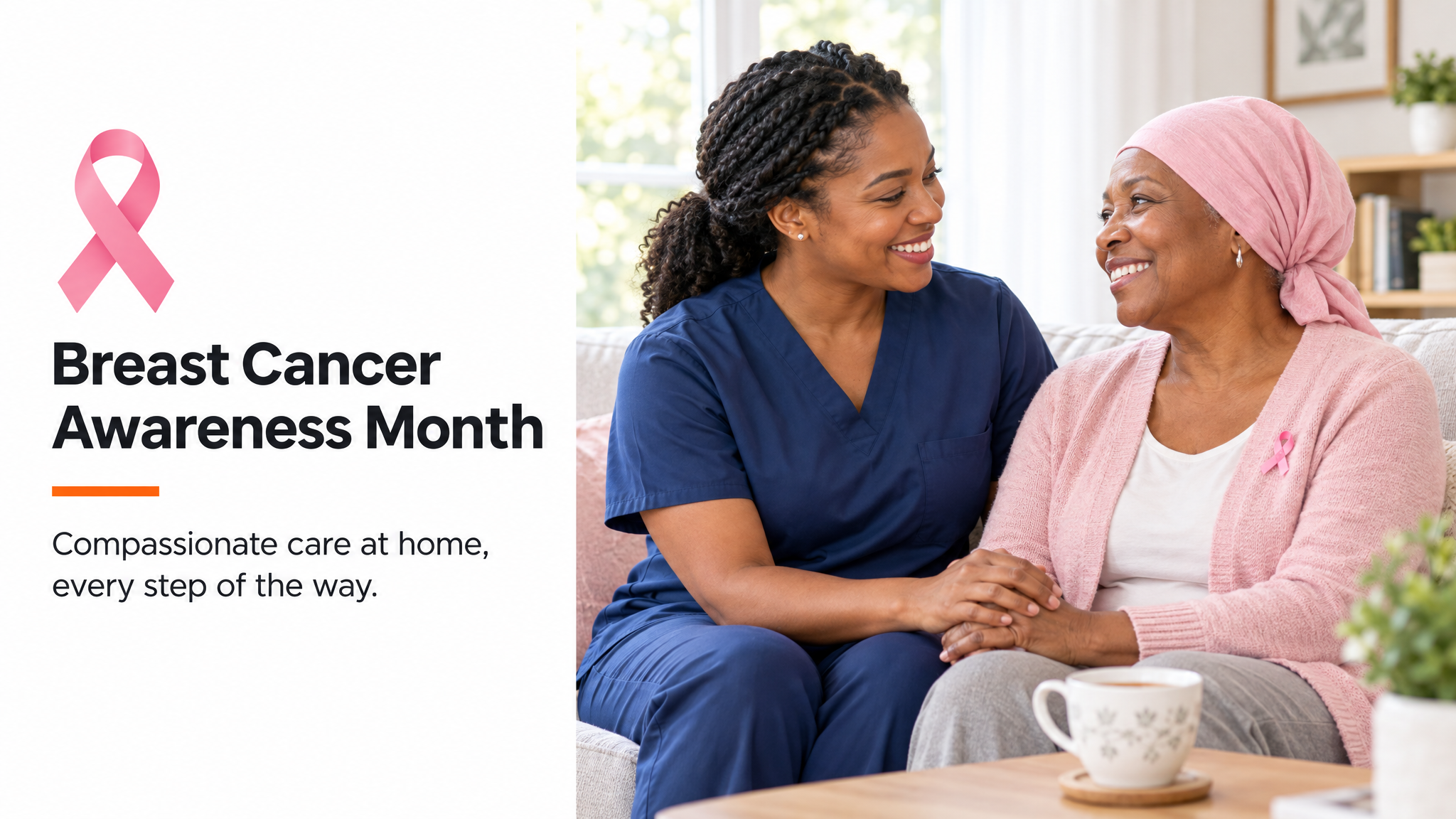
A breast cancer diagnosis never touches just one person. It changes calendars, kitchens, car rides, and the whole rhythm of a family’s week. This October, we want to honor the women facing breast cancer and the loved ones standing beside them.
Early detection saves lives
Breast cancer is the most common cancer in women in the U.S. after skin cancers, and the American Cancer Society estimates more than 4 million survivors are living in the country today. Screening is a big reason why. Death rates have dropped by about 44% since 1989, thanks to earlier detection and better treatment.
Do not stop screening too soon. The American Cancer Society says women 55 and older can screen every two years or keep going yearly, and should continue as long as their overall health is good and they are expected to live at least 10 more years. If you are caring for an older mom, aunt, or grandmother, ask whether she is due.
How home care can help
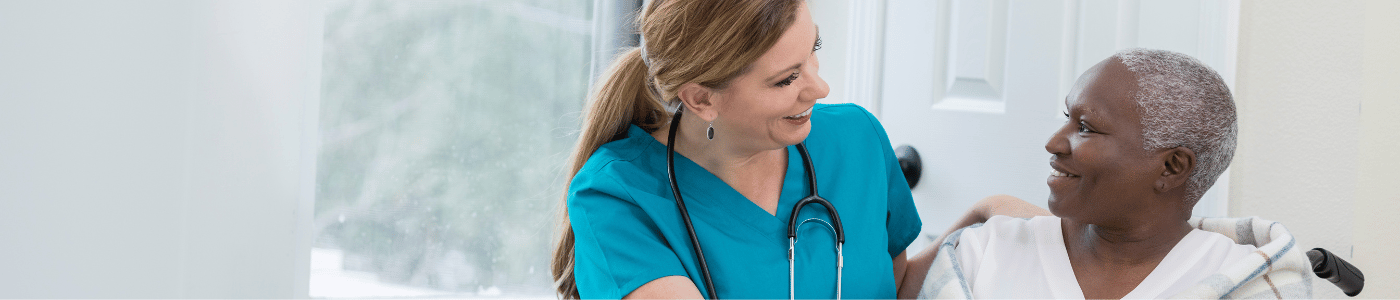
Treatment is hard work. Everyday tasks can feel heavy, especially around surgery, chemotherapy, or radiation days. Our caregivers provide non-medical support so patients can focus on healing:
- Post-operative care to help with comfort, movement, and daily routines during recovery.
- Personal care such as bathing, dressing, and grooming, with dignity and kindness.
- Meals and light housekeeping when appetite and energy are low.
- Medication reminders and appointment support so nothing slips through the cracks.
- Companionship for the quiet hours, because a warm conversation is healing too.
Caring for the caregiver
Family caregivers often put themselves last. Respite care gives you a few hours to rest, run errands, or simply breathe, and that is not selfish. It is how you keep going.
A few gentle reminders:
- Ask for help before you are exhausted.
- Keep a simple notebook for questions, medications, and appointments.
- Listen more than you fix. Sometimes presence is the best support.