
Caring for a loved one with dementia or autism is a deeply meaningful responsibility but it can also be overwhelming. For many families, caregiving becomes a full-time role layered on top of careers, parenting, and daily life. Over time, the emotional and physical demands can lead to caregiver burnout, often before families realize they need help.
This guide is designed for family caregivers navigating dementia care and autism care at home. It clearly explains what caregiver support looks like, how to recognize burnout early, and why timely, professional support protects both caregivers and their loved ones.
Understanding Dementia and Autism Family Care

Although dementia and autism are different conditions, family caregiving for both shares common challenges. Caregivers often manage:
- Structured routines and predictable schedules
- Communication differences and sensory needs
- Behavioral changes and emotional regulation
- Safety monitoring and close supervision
- Ongoing stress and mental fatigue
Whether you’re caring for an aging parent with dementia or a child with autism, the responsibility can feel constant. Many caregivers describe being “on duty” even during rest. Dementia and autism family care is not short-term, it’s an ongoing commitment.
Signs of Caregiver Burnout Families Often Miss
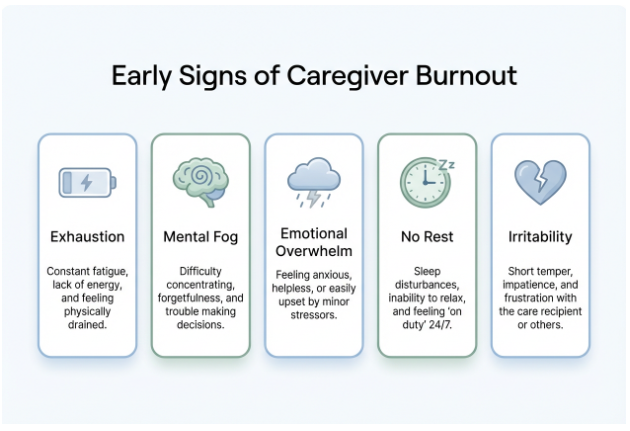
Caregiver burnout rarely happens all at once. It builds gradually and quietly. Early signs often include:
- Persistent exhaustion, even after sleep
- Feeling overwhelmed, detached, or emotionally numb
- Difficulty concentrating or making decisions
- Increased irritability, anxiety, or mood changes
- Postponing rest or support with thoughts like “I’ll handle it later”
These are not weaknesses, they are signals. Recognizing burnout early allows families to protect the caregiver and improve care quality at home.
What Caregiver Support Actually Looks Like

Many families hesitate to seek help because they worry about disrupting routines or losing control. In reality, quality caregiver support strengthens the home environment.
Effective caregiver support includes:
- Trained professionals experienced in dementia and autism care
- Respect for established routines, preferences, and communication styles
- A partnership approach that keeps families involved and informed
- Predictable, consistent care that reduces stress and improves safety
Support doesn’t replace family care, it reinforces it. When caregivers receive help, they’re better able to show patience, empathy, and emotional presence.
Why Early Support Matters in Dementia and Autism Care
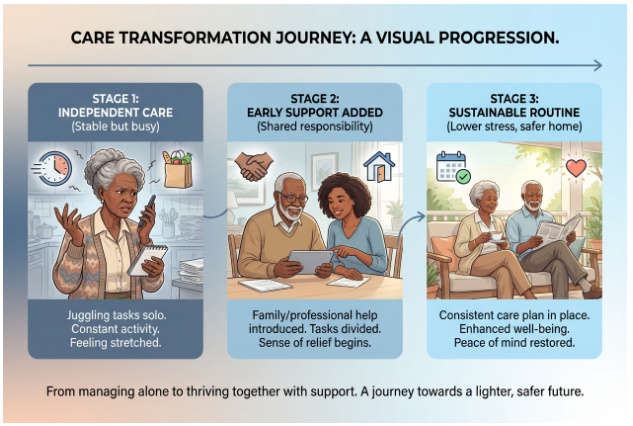
Waiting until exhaustion sets in can make caregiving harder for everyone involved. Early caregiver support helps:
- Reduce caregiver burnout and chronic stress
- Improve emotional stability within the household
- Maintain safety and routine consistency
- Create long-term sustainability for families
Caregiver support is most effective before a crisis occurs.
You Are Not Meant to Care Alone

Caring for someone with dementia or autism requires love, resilience, and commitment—but it should not come at the cost of your own well-being. Seeking support isn’t giving up. It’s caring and responsible. If you’re supporting a loved one, remember: You deserve support too.
Whether you’re exploring care options or simply need someone to talk to, our team is here to listen.
📞 Call: (470) 810-6329
📧 Email: Support@M3HHomeCare.com
You are not alone and you don’t have to carry this by yourself.